
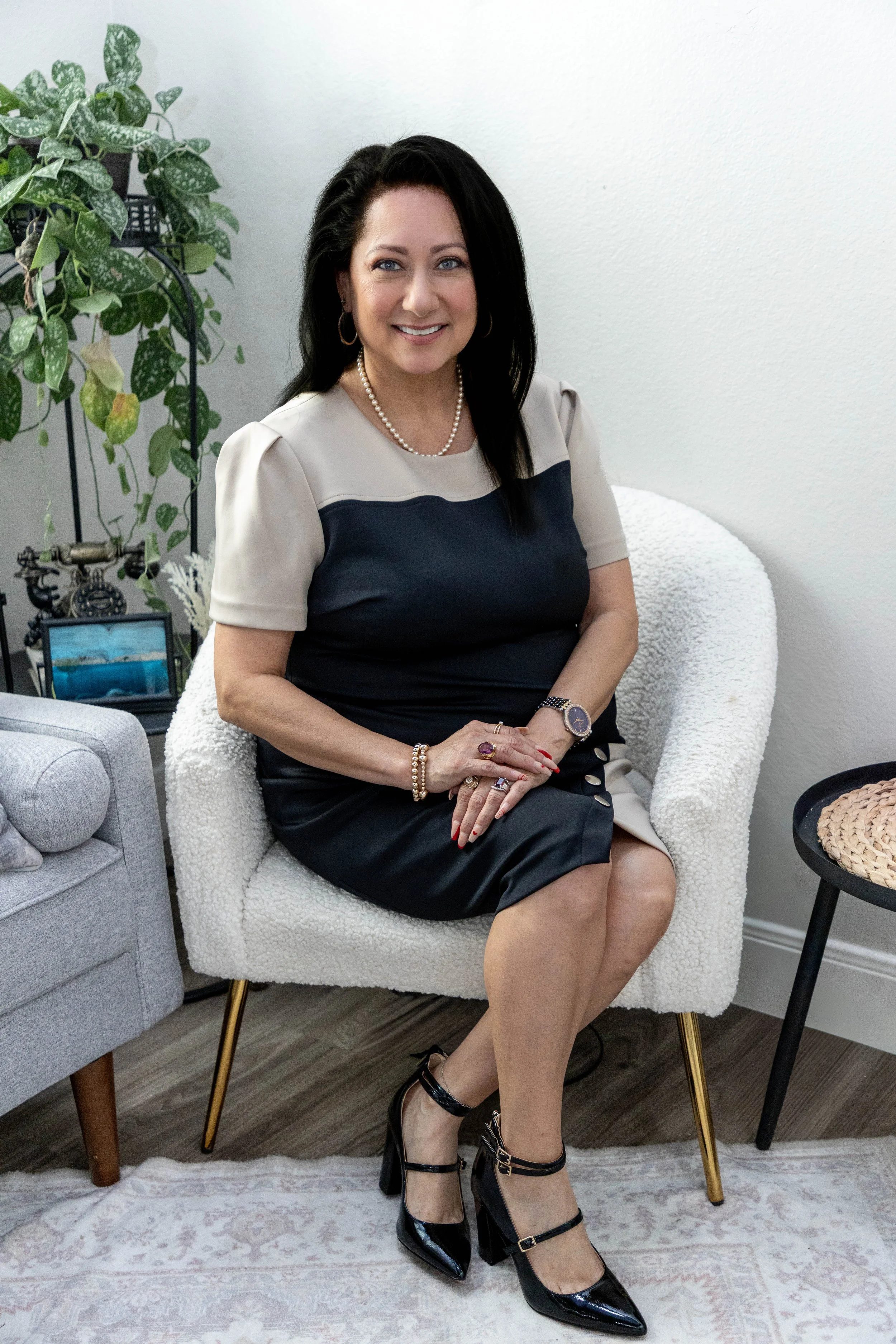
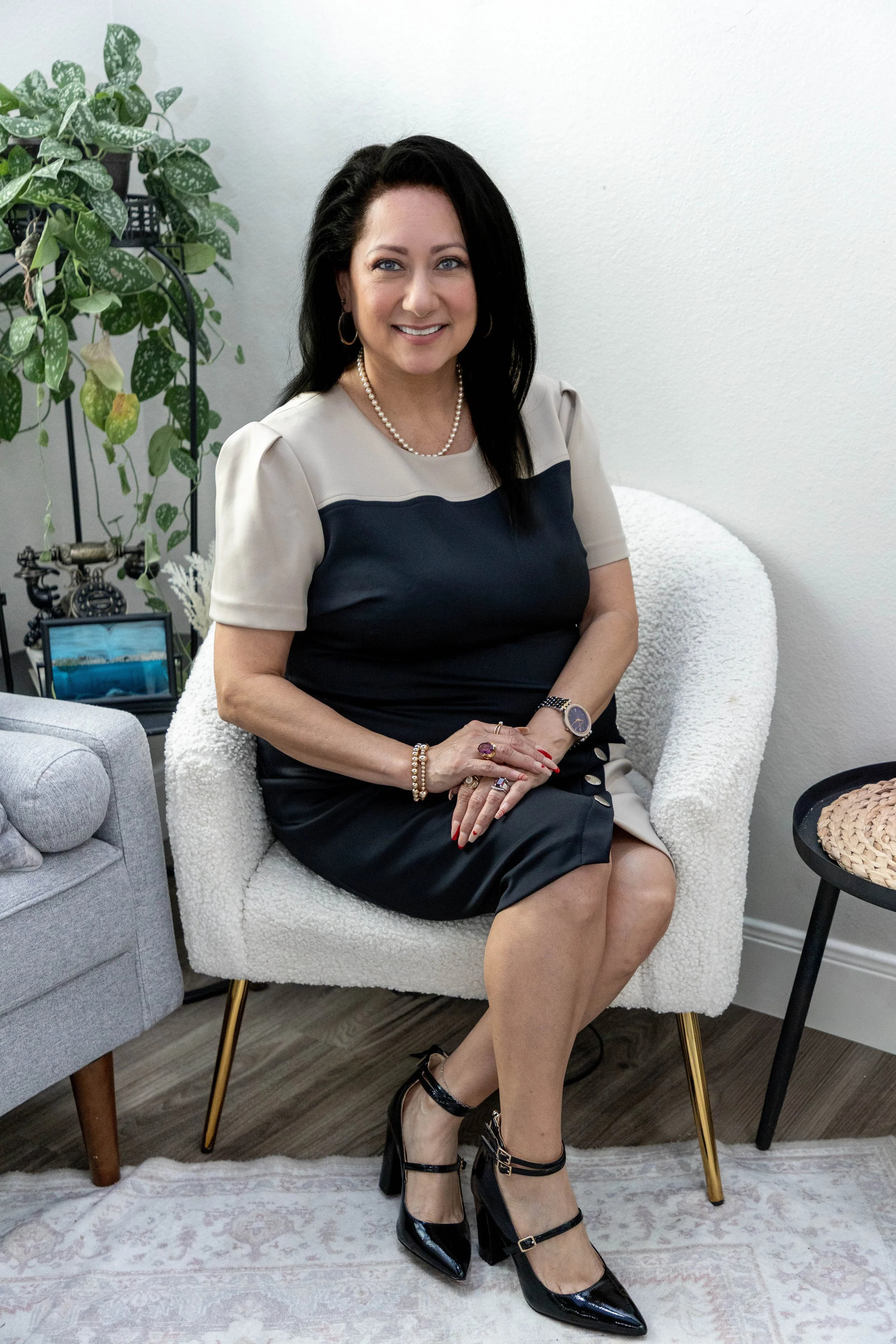
Hi, I’m jenna lee.
I know what it feels like to be trapped — afraid to leave and unsure where to turn. As a survivor of domestic violence, I walked the road you may be on right now. I sought refuge in a shelter, rebuilt my life from the ground up, went back to school in my 40s, and earned degrees in Victim Studies and Victim Service Management. I founded The Jenna Marie Foundation for Survivors of Abuse because no one should have to navigate that journey alone. You deserve safety. You deserve support. And you deserve someone in your corner. And that is exactly who we are here to be.
survivor / advocate / founder / mom
I remember the moment I decided I never wanted to feel powerless again.
Once I found my way through,
I knew I had to help others find their way too.

our mission
Our mission is dedicated to empowering survivors of domestic violence, intimate partner violence, and sexual assault by delivering holistic, immediate, no-cost, and confidential services. We believe every survivor deserves safety, support, and a path to independence.
meet the board
-
![A woman with black hair, wearing a beige and black dress, pearl necklace, hoop earrings, and black high heels, sitting in a white armchair with her legs crossed. She is smiling with her hands on her lap, in a room with a plant, a gray armchair, small framed artwork, and decorative items on a side table.]()
Jenna M. Lee
-
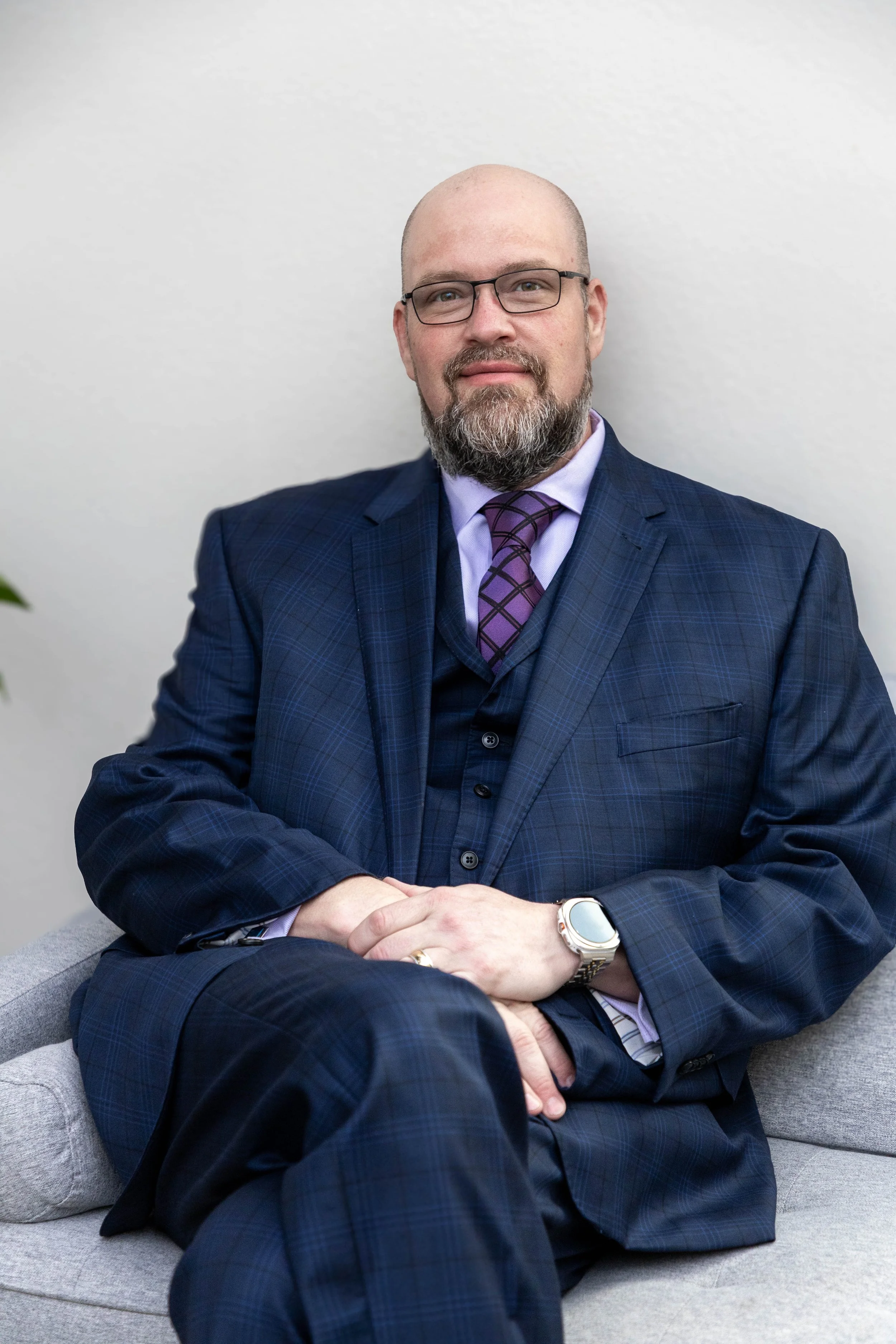
![A man with glasses and a beard, wearing a dark blue plaid suit, seated on a gray sofa with crossed hands, against a plain white wall.]()
brett j. lee
Treasurer of the Board
Chief Financial Officer (CFO)
Bio
-
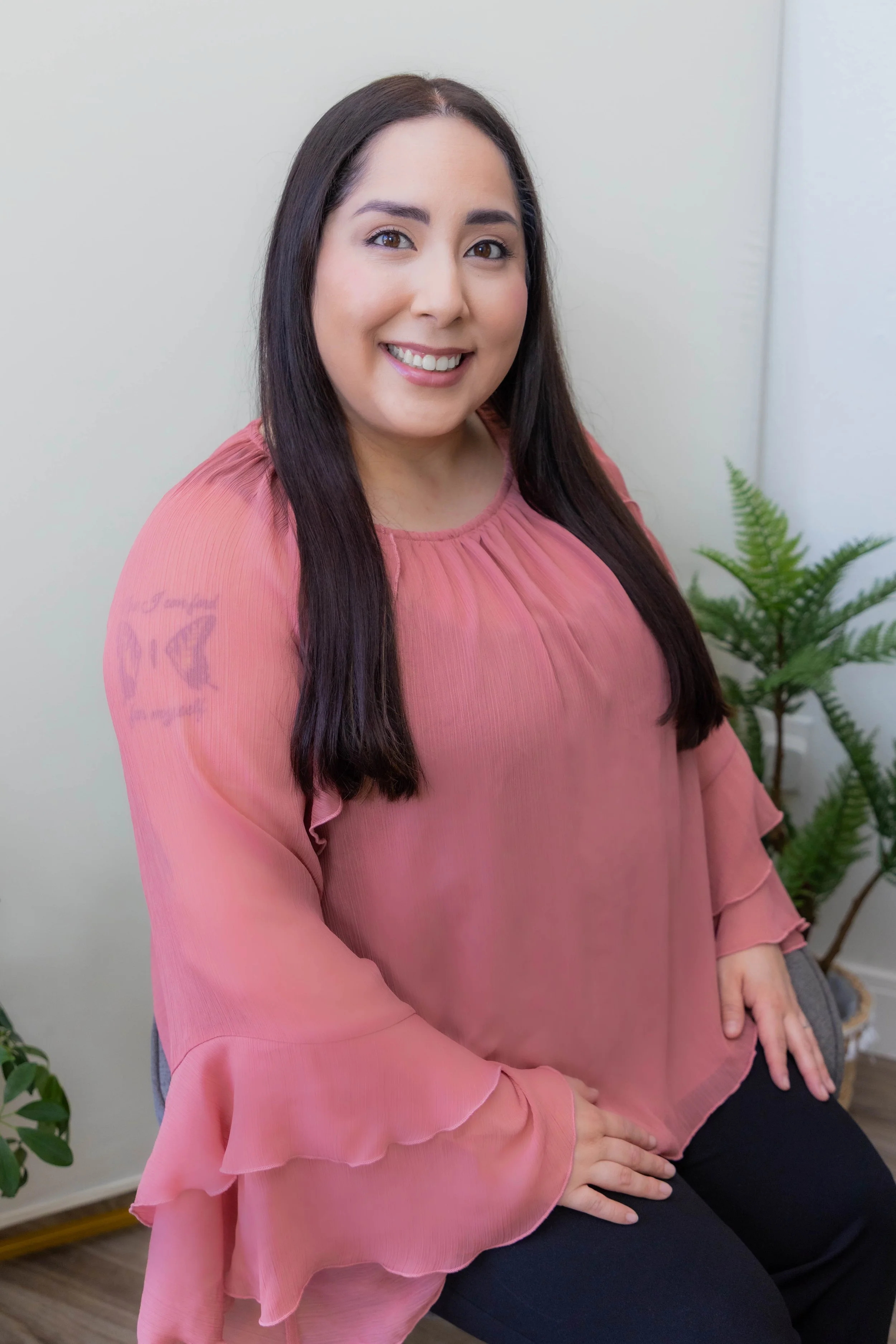
![A woman with long dark hair, wearing a pink blouse with ruffled sleeves, sitting on a chair with her hands resting on her lap, smiling at the camera, with green plants in the background.]()
miranda l. gonzales
Vice President of the Board
Chief Operating Officer (COO)
Bio
-
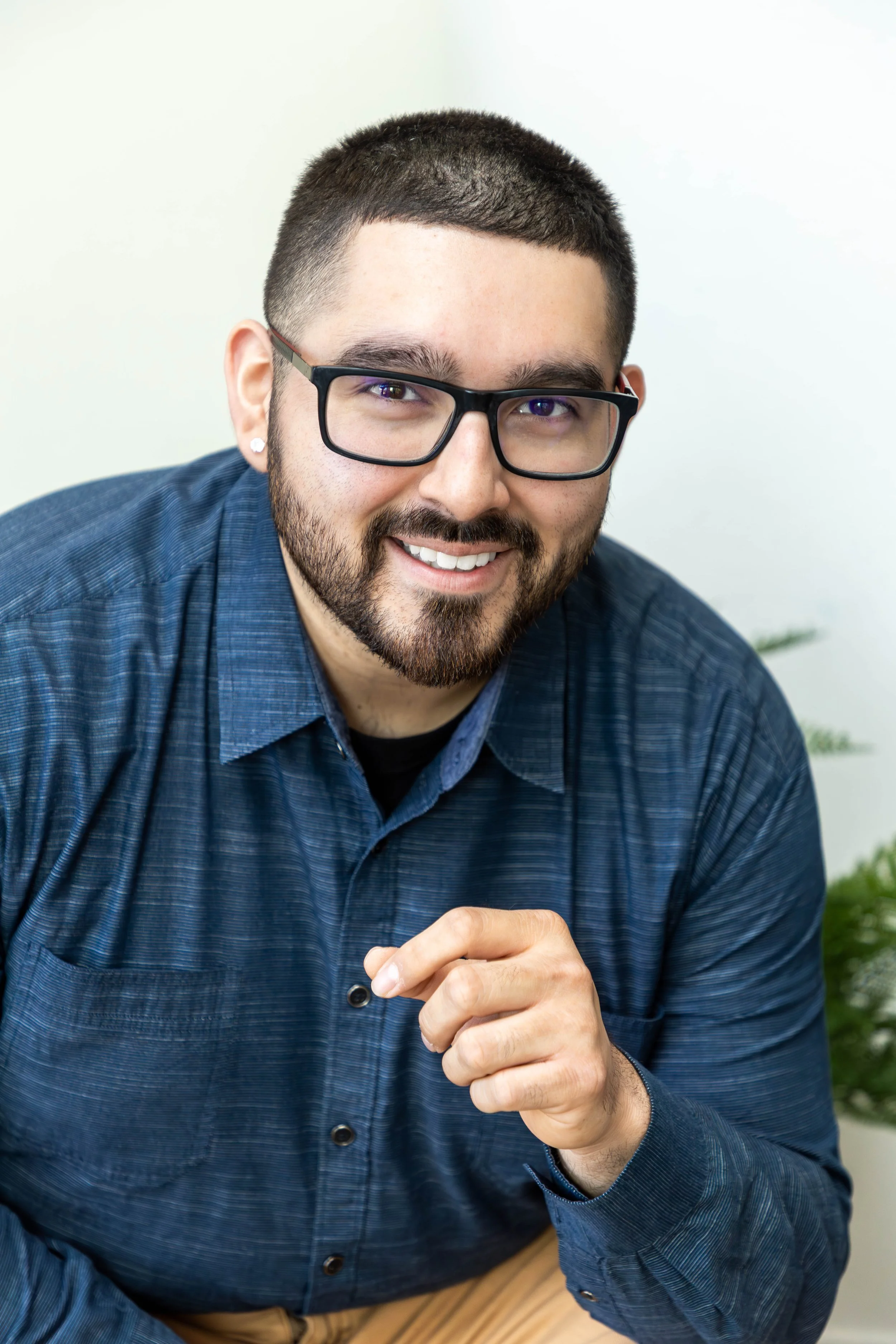
![A man with glasses, a beard, and short dark hair, dressed in a dark blue shirt, smiling and resting his left hand on a surface, with a white wall background and some green plants visible.]()
dillon a. gonzales
Board Member
Chief Logistics Officer (CLO)
-
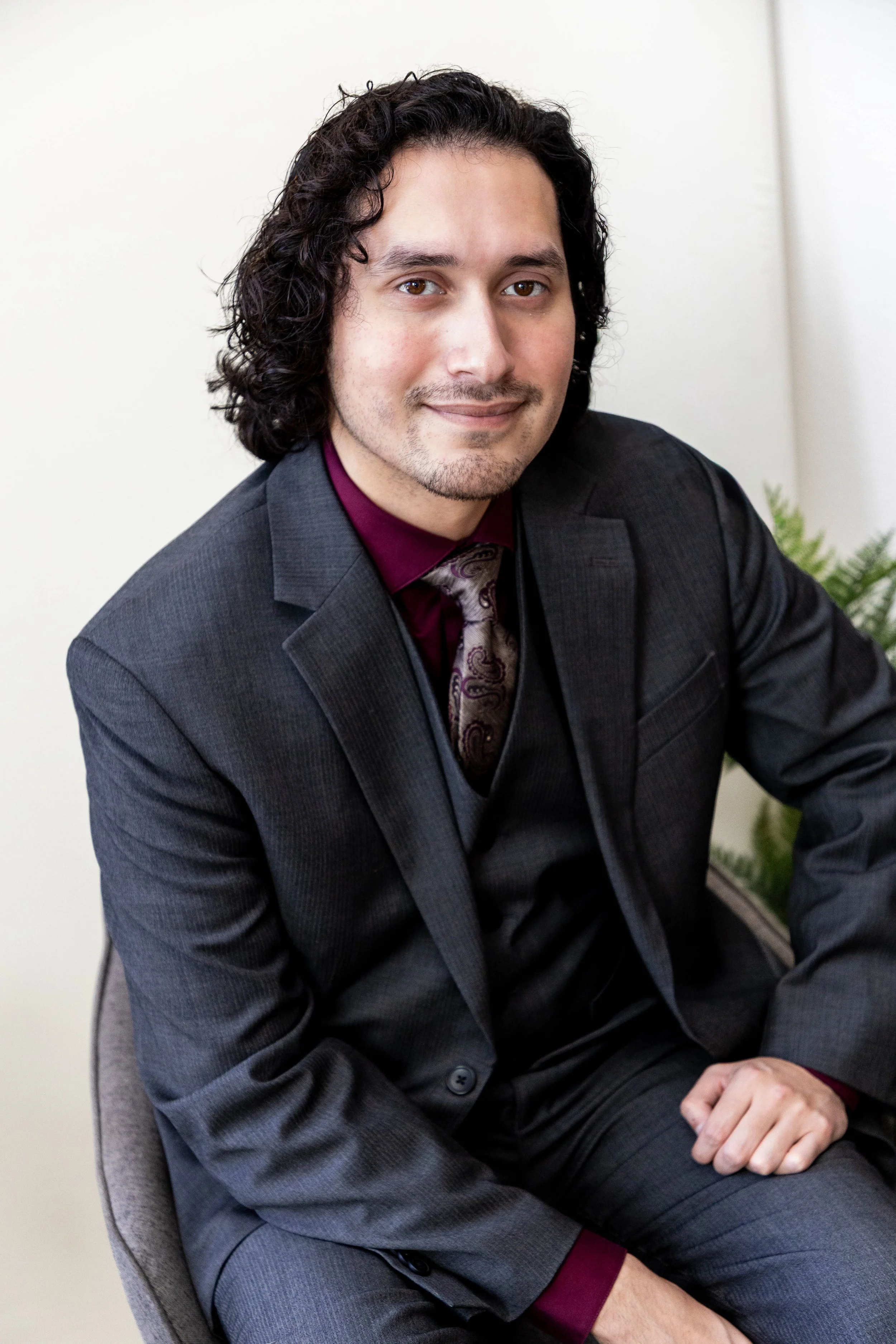
![Portrait of a man with dark curly hair, wearing a dark suit, maroon shirt, and patterned tie, sitting in an office chair against a plain light-colored wall with a small plant in the background.]()
caleb d. de la cruz
Board Member
-
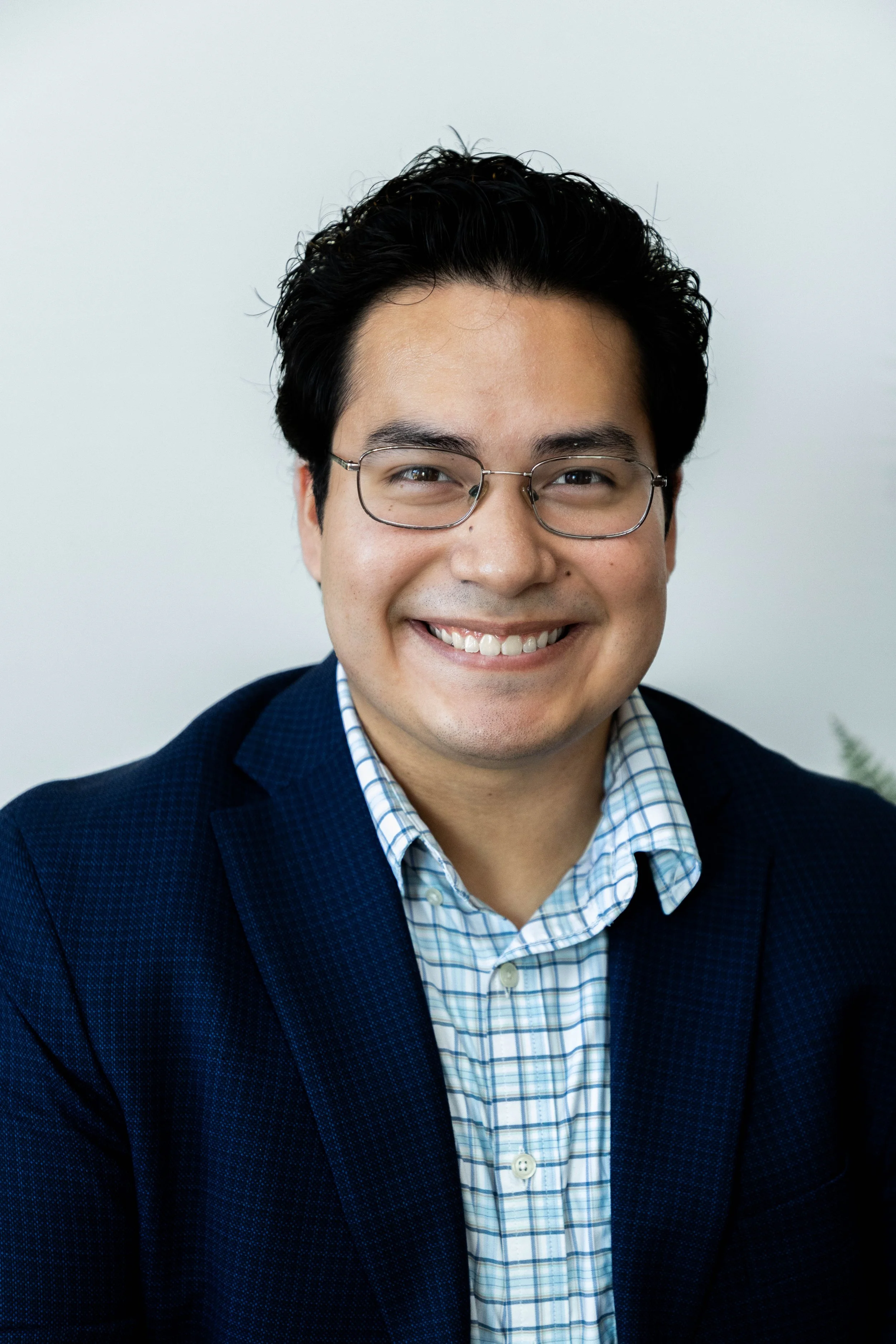
![A smiling man with short black hair, wearing glasses, a checkered shirt, and a dark blazer, against a plain light background.]()
joshua d. De la cruz
Board Member
LEARN MORE about US

-
Our mission is dedicated to empowering survivors of domestic violence, intimate partner violence, and sexual assault by delivering holistic, immediate, no-cost, and confidential services. We believe every survivor deserves safety, support, and a path to independence.
-
A world where every survivor of abuse is empowered to heal, thrive, and walk boldly in their purpose – free from fear, full of hope, and surrounded by unwavering support.
-
From Pain to Purpose.
From Surviving to Thriving.
-
What is domestic abuse?
Domestic violence can take many forms. Domestic violence can affect anyone from any background and any identity. Domestic violence can include psychological, sexual, economic, emotional or physical abuse, coercive or controlling behavior, so-called honor-based violence or forced marriage.
Sometimes it can be hard to recognize abuse when you are living through it. These questions may help you identify whether you are experiencing domestic violence.
Does your current or former partner and/or family member:
Call you names, humiliate, criticize, or belittle you?
Threaten to harm you or others around you, including pets?
Control you financially?
Use physical violence against you?
Stalk or harass you, including online or via phone?
Limit or control your movement or monitor your whereabouts and communication with others, including contact with friends, family, community, education or work?
Accuse you of cheating on them or act excessively jealous?
Use substances to control or harm you, or blame their alcohol or drug use for their abusive behavior?
Damage or withhold your belongings?
Use your race, ethnicity, immigration status or disability against you?
Pressure or force you into marriage without your consent?
Try to minimize their behavior or blame you for their behavior?
Threaten to harm themselves if you leave or seek help?
If you answered yes to any of these questions, you may be experiencing domestic abuse. You do not have to face what’s happening alone.
Domestic abuse can include, but is not limited to, the following:
If something doesn’t feel right in your relationship, it probably isn’t.
An abuser may say things like ‘I didn’t mean it’, ‘I was having a bad day’, ‘It only happened once’ in order to justify or excuse their hurtful behavior. This might make you start doubting whether your concerns about your relationship are valid. If you’ve heard of any of these before, it could be a sign of an unhealthy or controlling relationship.
Another sign of an abusive relationship can be if your behavior has changed because of how your partner treats you or your children. Perpetrators often create justifications for their actions, which they use to place blame on survivors and to take away any responsibility from themselves.
WHAT IS A HEALTHY RELATIONSHIP?
We’re here to tell you that perpetrators alone are responsible for their actions. We’re here to support you and help you to explore your options, because you deserve a kind, healthy relationship where you don’t feel trapped.
A healthy relationship should be a loving, respectful place with values like support, freedom, happiness, and consent at the center.
We know talking to someone else about your personal life can be hard but getting in touch with us can be your first and most important step.
When you contact us, we promise we will:
Never judge you or what you say
Always have a fully trained support worker available
Give you space to explore your options
Support you to make safe choices for you and your children
Keep everything you tell us confidential
-
Sexual assault can take many shapes. Here are some examples that may reflect your experience:
Sexual harassment and sexual touching
Rape, non-penetrative and penetrative sexual assault
Non-contact sexual crimes, such as grooming and indecent images of children, forcing people to do sexual things to themselves, and sharing sexual images of an adult without their consent (sometimes called ‘revenge porn’).
Unwanted advances or force you into sexual contact or unsafe sex
Sexual abuse and violence can take place within relationships or between family members and can often be a part of domestic abuse. If you consent to something because you are afraid or you have been pressured into it, it is not consent. Some examples of sexual abuse are:
Rape or sexual assault. This can be any sexual act you did not consent to. It can include forced kissing, touching, or penetration. If you have experienced this recently, find advice on getting treatment and support here.
Having sex with you when you are unable to consent, for example if you are under the influence of drugs or alcohol which may affect your ability to consent.
Using force, threats, guilt, manipulation, or intimidation to make you perform sexual acts.
Forcing you to have sex with other people or to become a sex worker.
Forcing you to have sex or watch pornography in front of children.
Degrading you during sex, such as calling you names, spitting, biting, punching or hurting you.
-
Intimate partner violence refers to behaviour within an intimate relationship that causes physical, sexual or psychological harm, including acts of physical aggression, sexual coercion, psychological abuse and controlling behaviours. This definition covers violence by both current and former spouses and partners.
Intimate partner violence (IPV) is abuse or aggression that occurs in a romantic relationship. Intimate partner refers to both current and former spouses and dating partners.
IPV can vary in how often it happens and how severe it is. It can range from one episode of violence to chronic and severe episodes over multiple years.
IPV can include any of the following types of behavior:
Physical violence is when a person hurts or tries to hurt a partner by using physical force.
Sexual violence is forcing or attempting to force a partner to take part in a sex act, sexual touching, or a non-physical sexual event (e.g., sexting) when the partner does not or cannot consent.
Stalking is a pattern of repeated, unwanted attention and contact by a partner that causes fear or concern for one's own safety or the safety of someone close to the victim.
Psychological aggression is the use of verbal and non-verbal communication with the intent to harm a partner mentally or emotionally or to exert control over a partner.
-
There are some kinds of domestic abuse that can be based on your orientation or gender identity.
These can include:
Threatening to disclose your romantic or sexual orientation, gender identity, gender history, or HIV status without your consent
Coercive and controlling behavior around your romantic or sexual orientation and/or gender identity
Pressuring you to keep your identity or relationship secret
Denying that LGBTQ+ people in intimate relationships can experience domestic abuse
Isolating you from family, friends, and the LGBTQ+ community
Undermining your romantic or sexual orientation and/or gender identity
Using your hormones or gender-affirming medication to control
Trying to change or suppress your orientation or gender identity
Intentionally use the wrong pronouns
LGBTQ+ people may be manipulated into believing that there is no help available to them because they are LGBTQ+. They may also be told that abusive behaviors are ‘normal’ in LGBTQ+ relationships, or that LGBTQ+ cannot experience domestic abuse. Abuse from family members is sometimes not recognized as abuse and written off as a ‘family dispute’ or having ‘different values’.
LGBTQ+ people experiencing domestic abuse might feel that domestic abuse services are not for them or may not understand what has happened to them.
Understanding LGBTQ+ experiences of sexual violence
We understand that the words around sexual violence are difficult ones and can by triggering for survivors. We can help you understand the words that might be used in other contexts, for example if you report to the police or attend a sexual assault referral centre.
We are mindful that the law does not call sexual assault by one women against another ‘rape’ (it is called serious sexual assault). For some women, this feels like their experience is viewed as less serious by the law. We don’t take it less seriously; we understand the impact of sexual violence by women and we will use the words you want to use. If you want to name your experience as ‘rape’, we support you to do so. If you decide to report to the police, we will help you navigate this process to ensure the impact of your experience is understood.
We also understand that sexual violence experienced by LGBTQ+ people can be motivated by homophobia, biphobia, transphobia and acephobia. It can be perpetrated by non-LGBTQ+ people or it can happen within LGBTQ+ relationships and communities. We know how sexual violence impacts on LGBTQ+ people’s sense of self, identity, relationships and community, as well as the individual response to trauma.
-
Supporting survivors doesn't have to be complicated. A financial gift — at any level — goes directly toward the emergency services that help women escape dangerous situations and begin to rebuild. You can also donate tangible goods to our pantry: nonperishable food, clothing, hygiene items, and household basics that we place directly in the hands of women who are leaving with little more than the clothes on their backs. Two simple ways to give. One powerful impact.
get involved

HOW CAN I HELP?
fund a survivor’s next step
Your financial gift — at any level — goes directly toward the emergency services, transportation, and support that help survivors find safety when they need it most.

HOW CAN I HELP?
SHOW UP IN A TANGIBLE WAY.
From stocking our supply pantry with everyday essentials to giving your time as a volunteer, there are hands-on ways to make a real difference in the life of a survivor.
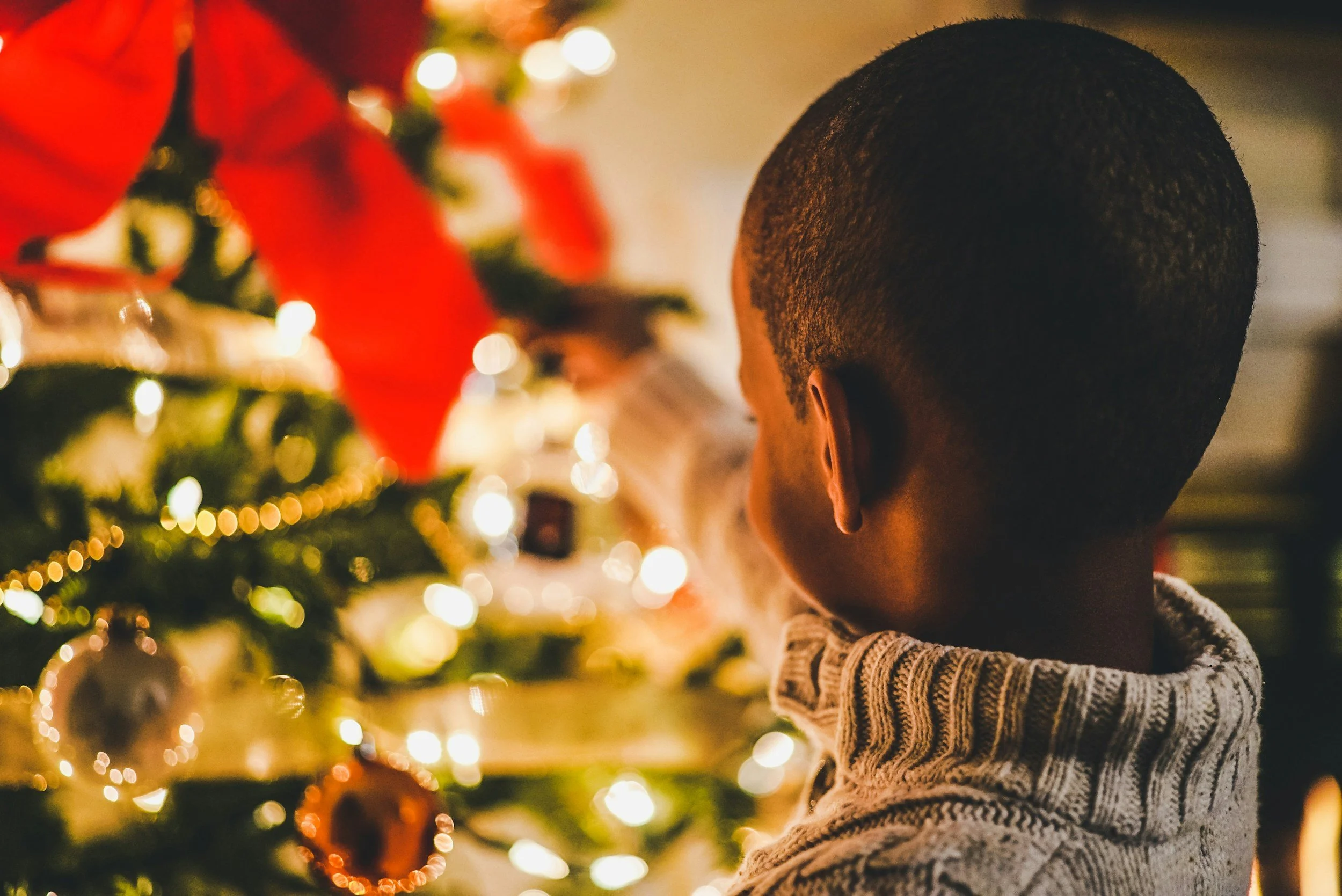
The Christmas Extravaganza
Helping survivors & their children experience the joy, dignity & MAGIC of Christmas.
I Need Christmas Assistance.
-
Please Read Before You Apply We are honored to help families create a little extra Christmas joy for their children. Before completing the Christmas Assistance Application, please review the information linked here.
-
Follow this link to access the online application.
-
Have a Christmas Application Question. Call the Foundation at 832-299-5439.